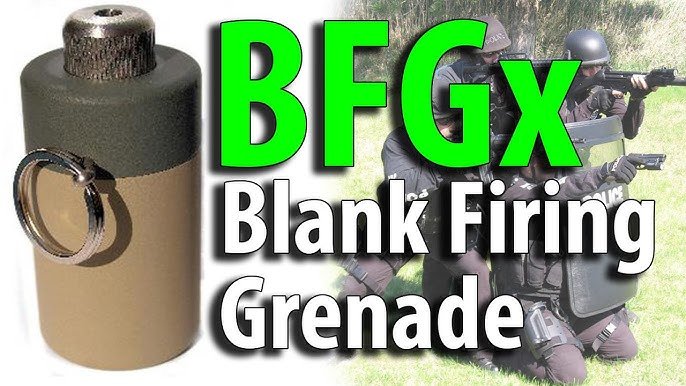
In training environments where realism matters but live ammunition is not an option, simulated devices play a crucial role. A blank firing grenade is one such tool, designed to replicate the sound, flash, and pressure of an explosive without producing shrapnel or lethal force. Commonly used in military drills, law-enforcement exercises, and film productions, these devices help create authentic scenarios while prioritizing safety when handled correctly.
What Is a Blank Firing Grenade?
At its core, a blank firing grenade is a non-lethal pyrotechnic device that uses blank charges to generate a loud report and visual effect. Unlike live ordnance, it does not contain fragmentation or high explosives intended to cause injury. Instead, it simulates battlefield or tactical conditions, allowing trainees to practice responses to sudden noise, light, and stress. Because realism improves learning outcomes, these devices have become a staple in controlled training settings worldwide.
Common Applications and Industries
One of the most widespread uses of these simulation tools is in military and police training. Recruits learn how to react under pressure, coordinate movements, and maintain situational awareness. In addition, security teams use similar devices during drills to test evacuation procedures and crowd control.
The entertainment industry also relies on such effects. Film and television productions often need convincing explosions without endangering cast or crew. With proper oversight from licensed pyrotechnicians, simulated devices help achieve cinematic realism while keeping sets compliant with safety standards.
Another growing area is historical reenactment and controlled demonstrations. Museums and educational programs sometimes incorporate sound-and-flash simulations to engage audiences, provided local laws and safety rules are strictly followed.
How These Devices Work (High-Level Overview)
Without going into technical instructions, it’s helpful to understand the general principle. A blank firing grenade contains a blank cartridge or charge that ignites to create a loud bang and brief flash. The casing is engineered to withstand internal pressure and direct energy outward as sound rather than fragmentation. Because there is no projectile, the risk profile is significantly lower than live explosives—but not zero.
Safety Considerations You Should Never Ignore
Even though these devices are non-lethal, safety is paramount. A blank firing grenade can still cause injury if mishandled, especially at close range. The intense noise can damage hearing, and the pressure wave or debris from nearby objects may cause harm. For this reason, protective equipment such as ear protection, eye protection, and strict distance rules are essential during use.
Only trained personnel should handle or deploy these devices. Clear communication, established safety zones, and emergency procedures must be in place before any exercise begins. Treating simulated devices casually is a common mistake that leads to preventable accidents.
Legal and Regulatory Awareness
Laws governing simulated explosive devices vary widely by country and even by region. In many places, possession or use may require permits, licensing, or supervision by authorized professionals. A blank firing grenade may be classified under pyrotechnics or controlled items, making unauthorized use illegal.
Before purchasing or using any simulation device, it’s critical to research local regulations and consult authorities if needed. Compliance not only avoids legal trouble but also ensures that events are conducted responsibly and ethically.
Advantages Over Live Training Tools
The primary benefit of simulation devices is risk reduction. They provide realistic sensory input without the catastrophic dangers of live explosives. This allows more frequent training, repeatable scenarios, and safer learning environments. Costs are often lower as well, since there is no need for extensive blast containment or medical standby required for live ordnance exercises.
Another advantage is versatility. Scenarios can be adjusted easily, and training can take place in a wider range of locations that would never permit live explosives.
Responsible Use and Best Practices
Responsible organizations emphasize planning, supervision, and post-event review. Clear briefings, strict adherence to safety protocols, and thorough inspections before and after use help maintain a strong safety record. Documentation and accountability further reduce risk and demonstrate professionalism.
Conclusion
When used correctly, a blank firing grenade offers a powerful balance between realism and safety for training, entertainment, and educational purposes. Its effectiveness depends not on raw power, but on disciplined handling, legal compliance, and respect for the potential hazards involved. By understanding its role and limitations, organizations can achieve immersive experiences while protecting people and property.