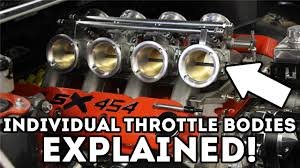
Modern engine performance upgrades have come a long way, and few modifications generate as much excitement as independent throttle bodies. Popular in motorsports, high-performance street builds, and enthusiast projects, this intake system delivers sharper throttle response, increased airflow efficiency, and an unmistakable engine sound. Whether you are a seasoned tuner or someone researching advanced engine upgrades, understanding how this system works can help you decide if it’s right for your vehicle.
What Are Independent Throttle Bodies?
Independent throttle bodies, often abbreviated as ITBs, are an intake setup where each engine cylinder has its own dedicated throttle plate. Unlike traditional single-throttle intake manifolds, this configuration allows air to enter each cylinder directly and independently. This design reduces airflow restriction and improves throttle precision, especially at higher RPMs.
In most factory engines, a single throttle body controls airflow to all cylinders. While this approach is cost-effective and efficient for daily driving, it limits responsiveness and airflow potential in performance applications. Independent setups, on the other hand, prioritize performance over simplicity.
How Independent Throttle Bodies Work
In an ITB system, each cylinder’s intake runner is fitted with its own throttle valve. When the accelerator is pressed, all throttle plates open simultaneously, allowing air to rush directly into each cylinder. Because the distance between the throttle and the intake valve is shorter, the engine reacts more quickly to throttle input.
This direct airflow path minimizes lag and improves volumetric efficiency. As a result, engines equipped with independent throttle bodies often feel more responsive and alive, especially during aggressive driving or track use.
Benefits of Independent Throttle Bodies
One of the biggest advantages of this system is throttle response. Drivers often describe the sensation as immediate, with the engine reacting instantly to pedal input. This makes a noticeable difference in performance driving scenarios where precise throttle control is essential.
Another major benefit is improved airflow balance. Each cylinder receives a more consistent air supply, which can help optimize combustion. When properly tuned, this can result in increased horsepower and smoother power delivery at high engine speeds.
Additionally, independent throttle bodies create a distinctive intake sound. The aggressive induction noise is highly valued by enthusiasts and adds to the overall driving experience.
Performance Gains and Realistic Expectations
While ITBs can unlock impressive performance gains, they are not a magic solution. Power increases depend heavily on engine design, camshaft profile, exhaust setup, and tuning quality. Engines that already have high-flow cylinder heads and aggressive cams tend to benefit the most.
It’s important to note that low-end torque may not significantly improve and, in some cases, may slightly decrease. This is because the system is optimized for airflow and responsiveness rather than low-speed efficiency. For track-focused or high-revving engines, however, independent throttle bodies shine.
Tuning Requirements and Engine Management
Proper tuning is essential when installing independent throttle bodies. Because airflow characteristics differ from standard intake systems, the engine management system must be recalibrated. Many setups require a standalone ECU or a heavily modified factory ECU.
Tuning challenges include managing idle stability, part-throttle drivability, and synchronization between throttle plates. With expert tuning, these issues can be minimized, resulting in a smooth and powerful engine across the entire RPM range.
Installation and Maintenance Considerations
Installing independent throttle bodies is more complex than bolting on a traditional intake. Precise alignment, vacuum balancing, and throttle synchronization are critical for proper operation. Professional installation is often recommended unless you have advanced mechanical experience.
Maintenance is also slightly higher. Regular checks are needed to ensure the throttle plates remain synchronized and clean. Vacuum leaks or misalignment can affect performance and drivability if not addressed promptly.
Street Use vs. Track Use
For daily-driven vehicles, independent throttle bodies may be considered excessive. They can be less forgiving in stop-and-go traffic and may require more frequent tuning adjustments. However, for weekend cars, track builds, or show vehicles, the benefits often outweigh the drawbacks.
On the track, the immediate throttle response and improved high-RPM airflow provide a competitive edge. This is why ITBs are commonly seen in racing applications, including touring cars, time attack builds, and high-end motorsport engines.
Are Independent Throttle Bodies Worth It?
The decision to install independent throttle bodies depends on your goals. If you value maximum throttle response, high-RPM performance, and a unique engine character, this upgrade can be extremely rewarding. However, it requires a commitment to proper tuning, maintenance, and higher upfront costs.
For enthusiasts who appreciate mechanical precision and performance-focused engineering, independent throttle bodies represent one of the most exciting intake upgrades available today.
Final Thoughts
Independent throttle bodies are a bold and performance-driven modification that transforms how an engine breathes and responds. While not ideal for every vehicle or driver, they deliver unmatched throttle precision, improved airflow, and an unforgettable driving experience. With the right setup and tuning, independent throttle bodies can elevate your engine’s performance and personality to an entirely new level.