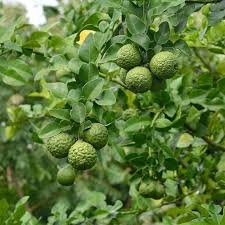
In the world of fragrant citrus fruits, few ingredients have earned as much cultural and culinary respect as kaffirhttps://drwmagazine.org/ lime. Known for its bold aroma, glossy double-shaped leaves, and slightly bumpy green skin, this tropical fruit has become an essential element across Southeast Asian food traditions. Whether steeped into soups, grated into curries, or pressed for essential oil, this citrus variety offers a mixture of taste, health value, and wellness benefits. Beyond flavor, it carries centuries of history, medicinal uses, and therapeutic qualities.
A Historical Citrus With Cultural Importance
The story of kaffir, households have used the leaves to perfume their kitchens, foods, and even their homes. In traditional Thai cooking, it is often combined with lemongrass, galangal, and chilies for iconic pastes. Meanwhile, in Cambodia and Laos, it contributes to gentle broths and aromatic stews.
Historically, the fruit was also respected in herbal medicine. Healers would grind the rind, mix its juice into tonics, or boil its leaves for topical remedies. While modern science now studies these effects, traditional communities built their confidence through lived experience.
How Kaffir Lime Elevates Food
Cooks value this citrus not only for sharpness but for fragrance. The leaves release a sweet perfume similar to mandarin mixed with lemon and herbs. When torn by hand, tiny oil-filled cells burst, flavoring food instantly.
Popular culinary uses include:
1. Soups and Broths
Thai Tom Yum and Indonesian Soto would lose their distinct flavor without the leaf. The citrus cuts through fatty meat, balances spice, and freshens seafood.
2. Curry Pastes
The rind, not the pulp, is the most prized. Its zesty bitterness melts into spices to create complex blends.
3. Stir-Fries and Marinades
A couple of shredded leaves transform chicken, prawns, or tofu. Combined with ginger and garlic, they create a bright seasoning layer.
4. Pickles and Fermented Foods
In rural households, grated rind becomes part of pickles. The aroma prevents unpleasant odors and preserves freshness.
Nutritional Strength and Health Benefits
Beyond flavor, the fruit contains a spectrum of beneficial compounds. Studies point toward antioxidants, limonene-based essential oils, and antimicrobial qualities. These may help support digestion, reduce inflammation, and soothe irritated skin.
Key advantages include:
Boosts immunity
Vitamin C strengthens defenses, helping the body resist seasonal illness.
Supports digestion
Aromatic compounds encourage enzyme function. People have long brewed the leaves into tea after heavy meals.
Skincare and haircare
Oil extracted from the rind appears in shampoos meant to cleanse the scalp. Traditional healers used the juice to combat dandruff and minor irritations.
Natural cleaning
Its antimicrobial strength made it a popular household cleanser before chemical products existed.
Essential Oil and Aromatherapy
The spa industry has embraced kaffir-based oils for relaxation and skin benefits. Massage therapists use diluted forms around temples, necks, and shoulders to reduce stress. Inhaling the steam may support breathing comfort.
However, essential oils should always be diluted. Citrus oils can irritate the skin if applied directly. Users typically blend a few drops with coconut or jojoba oil.
Growing the Citrus at Home
Gardeners appreciate this tree because it grows well in warm climates and pots. With sunlight, moderate watering, and well-drained soil, it produces glossy leaves year-round. Pruning encourages growth while improving leaf quality.
Colder-climate growers can move it indoors during winter. The aromatic benefit is a bonus—many people keep potted trees inside simply for fragrance.
Taste Profile and Distinguishing Features
Although the word “lime” suggests sour juice, this variety is dramatically different. The pulp is dry and bitter, almost unsuitable for squeezing. Instead, the flavor lies in the rind and the leaves. A single leaf infused inside a soup can fill a kitchen with perfume. That is why Southeast Asian cuisine depends on it so heavily.
Visual differences include:
- Dark glossy leaves with a figure-eight shape
- Thick peel with wrinkled surface
- Smaller fruit than a Persian lime
These features help newcomers identify the plant in markets.
Beauty Rituals and Everyday Hygiene
Traditional households used ground rind in natural deodorants. The citrus smell masks body odors. The oil also works well as a natural insect repellent. Even today, some handmade soaps rely on it to add freshness without synthetic scents.
Haircare routines often involve boiling leaves and applying the cooled liquid to the scalp. This practice, more than a century old, aims to maintain shine while controlling itching.
Sustainability and Organic Uses
Because this crop requires minimal chemicals in warm climates, it supports eco-friendly small farming. Leaves and fruit are highly marketable to Asian restaurants worldwide, helping local growers maintain income. As global curiosity increases, demand rises for frozen or packaged leaves.
This agricultural growth introduces more people to the fruit and preserves traditional food culture.
Final Thoughts: Why It Matters Today
Modern cooking trends appreciate bold, crisp aromatics. Home cooks want natural ingredients instead of artificial flavorings. Wellness seekers prefer herbal, low-additive solutions. In all these spaces, kaffir lime fits perfectly. It nourishes, perfumes, relaxes, and supports whole-food cooking. At the same time, it preserves a heritage built by centuries of cultural practice.
In a fast-moving world full of pre-packed flavor, there is something refreshing about returning to a leaf that flavors broth, oils, and beauty products. With its culinary life, household uses, and health-linked phytochemicals, the kaffir lime offers more than a citrus note. It offers connection: to land, to traditional knowledge, and to sensory pleasure.
Whether someone is experimenting at home, improving a garden, supporting natural wellness, or exploring Thai cuisine, represents a small but powerful plant with lasting value. If one ingredient can transform food, elevate wellness, and scent a room, this citrus has earned its global reputation. There is no doubt that the kaffir lime will continue inspiring chefs, herbalists, and curious consumers for many years to come.