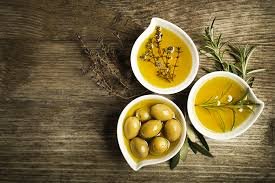
Olive oil has been a cornerstone of healthy diets for thousands of years, especially in Mediterranean cultures. Today, it is valued worldwide not only for its rich flavor but also for its impressive health benefits. Among the many varieties available, consumers often encounter two popular options: virgin olive oil and extra virgin olive oil. Understanding what sets these oils apart can help you make better choices for cooking, nutrition, and overall wellness.
What Is Virgin Olive Oil?
Virgin olive oil is made from fresh olives using mechanical processes, without the use of chemicals or excessive heat. This method helps preserve much of the oil’s natural flavor and nutrients. Virgin olive oil has a slightly higher acidity level than extra virgin olive oil and may contain mild flavor imperfections, but it is still considered a high-quality and natural product.
The taste of virgin olive oil is usually pleasant, slightly fruity, and sometimes mildly bitter or peppery. It works well for everyday cooking and is commonly used in sautéing, roasting vegetables, and preparing sauces where intense flavor is not the main focus.
What Makes Extra Virgin Olive Oil Special?
Extra virgin olive oil represents the highest grade of olive oil available. It is produced from the first cold pressing of olives and must meet strict standards for acidity, flavor, and aroma. This oil has an acidity level of less than 0.8% and is free from sensory defects.
Extra virgin olive oil is known for its fresh, vibrant taste with notes of fruit, grass, herbs, and pepper. Because it undergoes minimal processing, it retains a higher concentration of antioxidants, polyphenols, and vitamins. These qualities make it ideal for finishing dishes, salad dressings, and dipping bread.
Virgin and Extra Virgin Olive Oil: Key Differences
When comparing virgin and extra virgin olive oil, the main differences lie in acidity, flavor, and quality standards. Extra virgin olive oil has lower acidity and superior taste, while virgin olive oil has slightly higher acidity and a more neutral profile.
Another important distinction is the production process. Both oils are mechanically extracted, but extra virgin olive oil comes from the best-quality olives and passes rigorous taste and chemical tests. Virgin olive oil allows for minor imperfections, making it more affordable and suitable for regular cooking.
Despite these differences, both oils are far healthier than refined vegetable oils and offer natural fats that support overall well-being.
Health Benefits of Olive Oil
Both virgin and extra virgin olive oil are rich in monounsaturated fats, which are known to support heart health. These healthy fats help reduce bad cholesterol (LDL) while maintaining good cholesterol (HDL). Regular consumption may lower the risk of cardiovascular disease and improve blood vessel function.
Extra virgin olive oil, in particular, contains powerful antioxidants that fight inflammation and oxidative stress. These compounds may help reduce the risk of chronic conditions such as diabetes, arthritis, and certain cancers. Olive oil also supports brain health, digestion, and skin vitality.
Adding olive oil to your daily diet can contribute to long-term health while enhancing the taste of your meals.
Best Uses in Cooking
Choosing the right olive oil depends on how you plan to use it. Virgin olive oil has a slightly higher smoke point than extra virgin olive oil, making it a good choice for light frying, sautéing, and baking. Its milder flavor blends well with cooked dishes without overpowering other ingredients.
Extra virgin olive oil is best used raw or with low-heat cooking. It shines in salad dressings, marinades, drizzling over grilled vegetables, pasta, or soups, and as a finishing touch to enhance flavor. Using it raw helps preserve its antioxidants and nutritional value.
Understanding these uses ensures you get the most out of both oils in your kitchen.
How to Choose High-Quality Olive Oil
When shopping for olive oil, always check the label carefully. Look for oils that clearly state “virgin” or “extra virgin” and provide information about the origin of the olives. Dark glass bottles or tins are preferable, as they protect the oil from light damage.
Freshness also matters. Olive oil does not improve with age, so choose bottles with a recent harvest date. A good-quality oil should have a pleasant aroma and taste fresh, not greasy or stale.
Avoid products labeled simply as “olive oil,” as these are often refined and lack the nutritional benefits of virgin oils.
Storage Tips for Longer Freshness
Proper storage is essential to maintain quality. Keep olive oil in a cool, dark place away from heat and sunlight. Always close the bottle tightly after use to prevent oxidation.
Using the oil within a few months of opening helps preserve its flavor and health benefits. Proper storage ensures that virgin and extra virgin olive oil remain fresh and effective in your daily cooking.
Final Thoughts
Choosing between virgin and extra virgin olive oil depends on your cooking needs, budget, and flavor preference. Both options are natural, nutritious, and far superior to refined oils. By understanding their differences and uses, you can enjoy better taste, improved health, and greater versatility in your meals.
Incorporating virgin and extra virgin olive oil into your diet is a simple yet powerful step toward healthier eating and more flavorful cooking.